Principles Of Marketing - Blog #1 - 2554091
Individual Portifolio

Introduction
When I first signed up for this course, I thought marketing was just about flashy ads and clever slogans—basically, convincing people to buy stuff. It all seemed pretty shallow. But after a few weeks, my whole view started to shift. The lectures showed me there’s a lot more to marketing. It’s actually a mix of strategy, research, and understanding what makes people tick. Once I saw the bigger picture, I realized marketing isn’t just about creativity; there’s a lot of thought and planning behind every decision.
Marketing Strategy and STP

The STP model—Segmentation, Targeting, and Positioning—really flipped a switch for me. Before, I figured brands just blasted their message to everyone. Then we broke down how companies carefully pick out their best audience and focus their efforts there. Suddenly, I got it: nothing in marketing happens by accident. Using Google as an example helped me see how the right positioning can make a brand stand out, even in a crowded field. After that class, I started looking at ads and brand messages in a whole new way. Strategy really does come first.
Market Research and Customer Insights

I used to think market research was just a pile of confusing numbers. It felt disconnected from real-life decisions. But one class changed that. We talked about how Google uses customer insights to tweak Maps and Search for each person. That’s when it clicked for me. Data isn’t just something in the background—it shapes the whole experience. I stopped seeing research as intimidating and started wanting to get better at it.
Buyer Behaviour
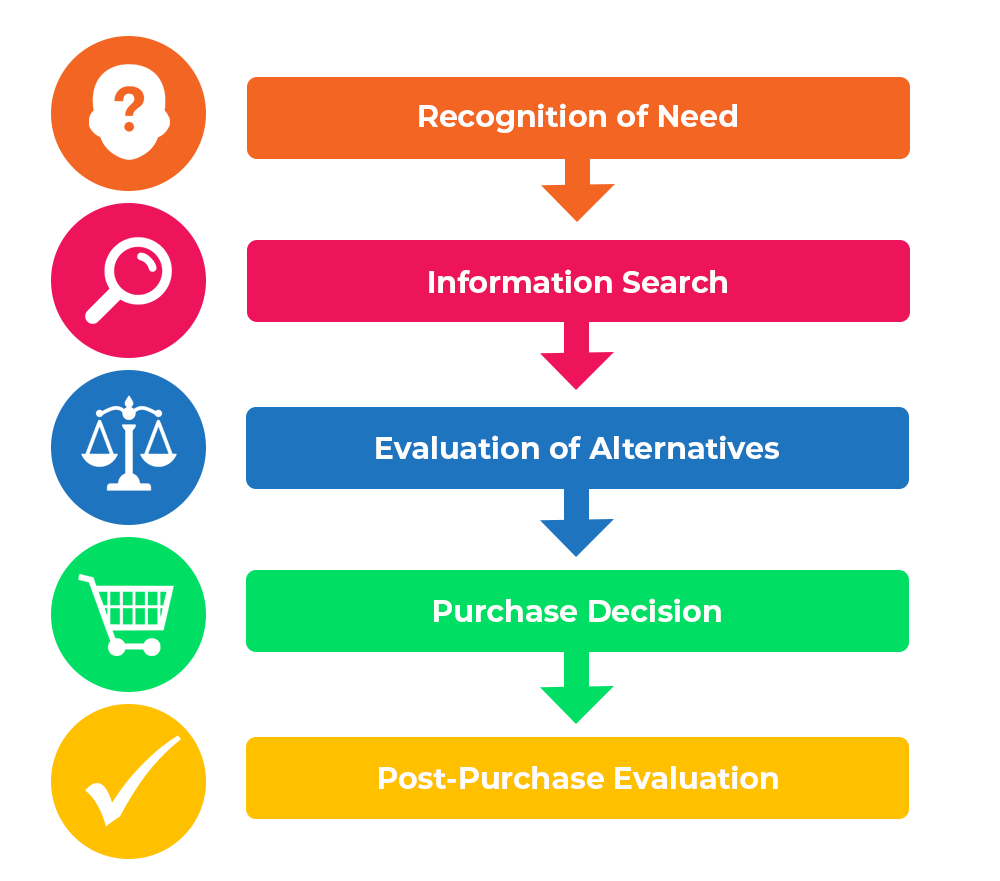
Learning about buyer behavior was another eye-opener. Breaking down what goes on in people’s heads before they make a choice helped me connect the dots between theory and real campaigns, like Google Ads or Dove’s Real Beauty. I saw how brands use emotions, identity, and social influences to connect with people. Honestly, it made me think about my own choices and how much I’m influenced by things like social proof or personalization—even when I don’t realize it.
Reflection and Future Goals
All in all, this module pushed me to think deeper and ask why marketers do what they do. Now, I’m more sure than ever that I want to work in digital marketing or brand management. I want to build campaigns that are data-driven but still feel personal and real. This course already changed the way I see ads, and I know these lessons will stick with me in future projects.
Johnson, G., Scholes, K. and Whittington, R. (2020) Exploring Corporate Strategy. 12th edn. Harlow: Pearson Education.
Kotler, P. and Armstrong, G. (2022) Principles of Marketing. 18th edn. Harlow: Pearson Education.
Solomon, M. (2020) Consumer Behaviour: Buying, Having and Being. 13th edn. Harlow: Pearson Education.
Comments
Post a Comment